Dintelse Gorzen
Walking on the Dintelse Gorzen, the world is pleasantly far away: peace and quiet are immense and beneficial. The outer dike nature reserve the Dinte...
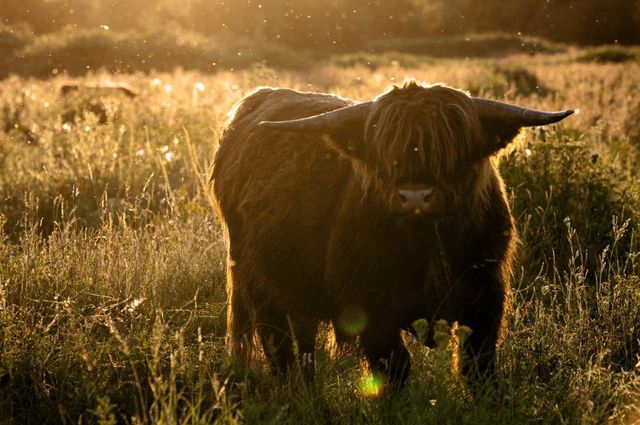
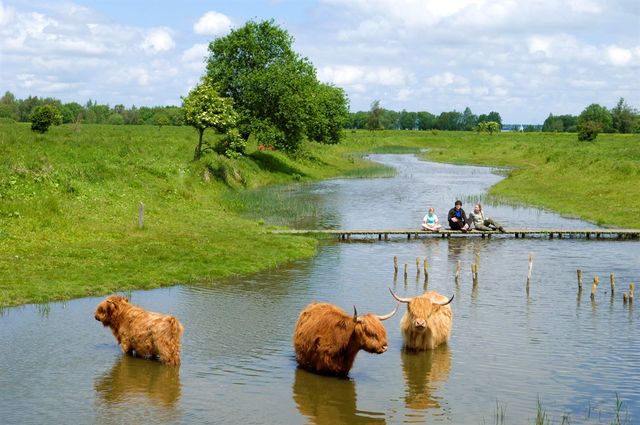
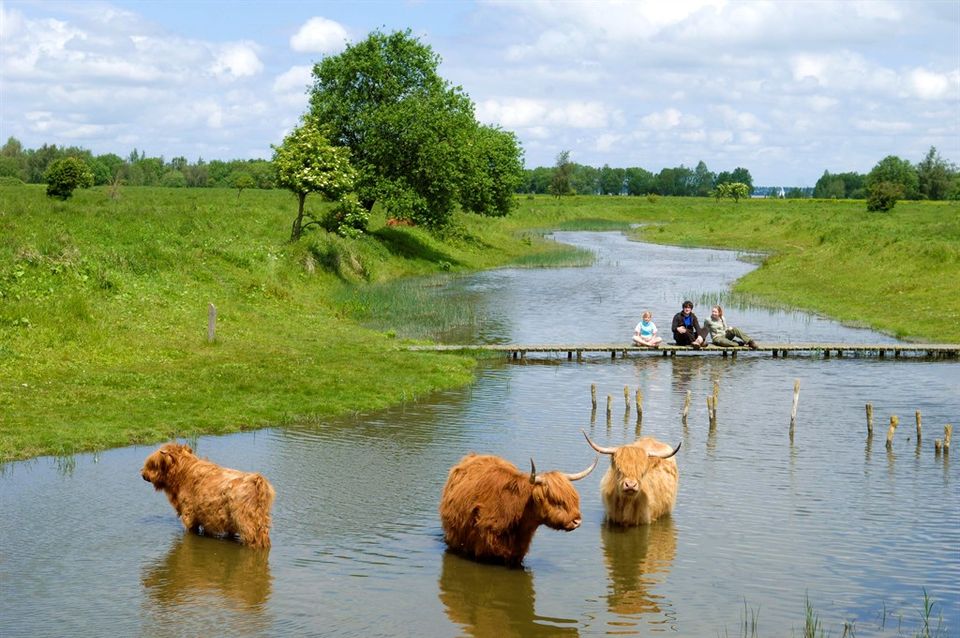
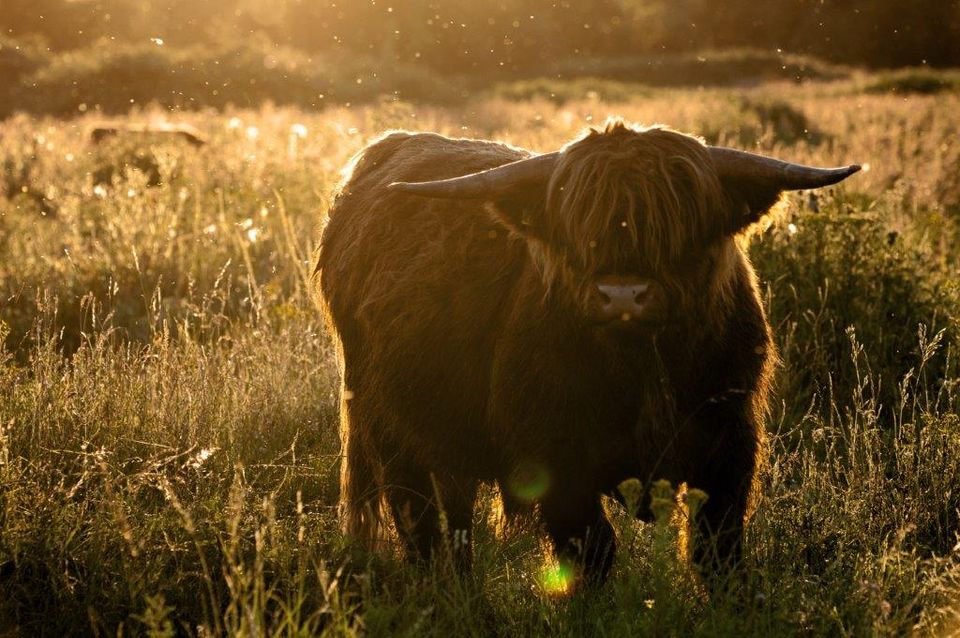
Walking on the Dintelse Gorzen, the world is pleasantly far away: peace and quiet are immense and beneficial. The outer dike nature reserve the Dintelse Gorzen, managed by Natuurmonumenten, is a former tidal area along the Krammer Volkerak. After the closure of the Philips Dam (1987), the tides fell away and it silted up. Plant growth changed dramatically. Saline species largely disappeared; orchids, queen's wort, dune reed and all kinds of (flowering) shrubs took their place, among others. It is a quarter of a century since the tides largely disappeared here, but the structure of mudflats, salt marshes and creeks can still be seen. Salt-loving plants like glasswort and saline spurry still grow on the low mudflats - thanks to the salt reserve in the soil - and avocets and spoonbills look for food. The mud also has sandy patches. There, sea buckthorn grows and, in summer, grass of Parnassus and thousands of orchids bloom. To prevent trees and bushes from overgrowing the area and crowding out orchids, robins, geese and many other beauties, Natuurmonumenten uses large grazers. 135 Scottish Highlanders and 80 Shetland ponies graze there. They are a tough hardy breed that live outside in summer and winter.
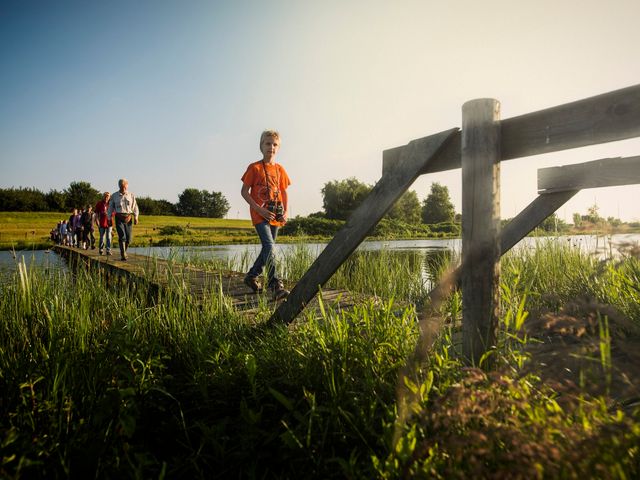
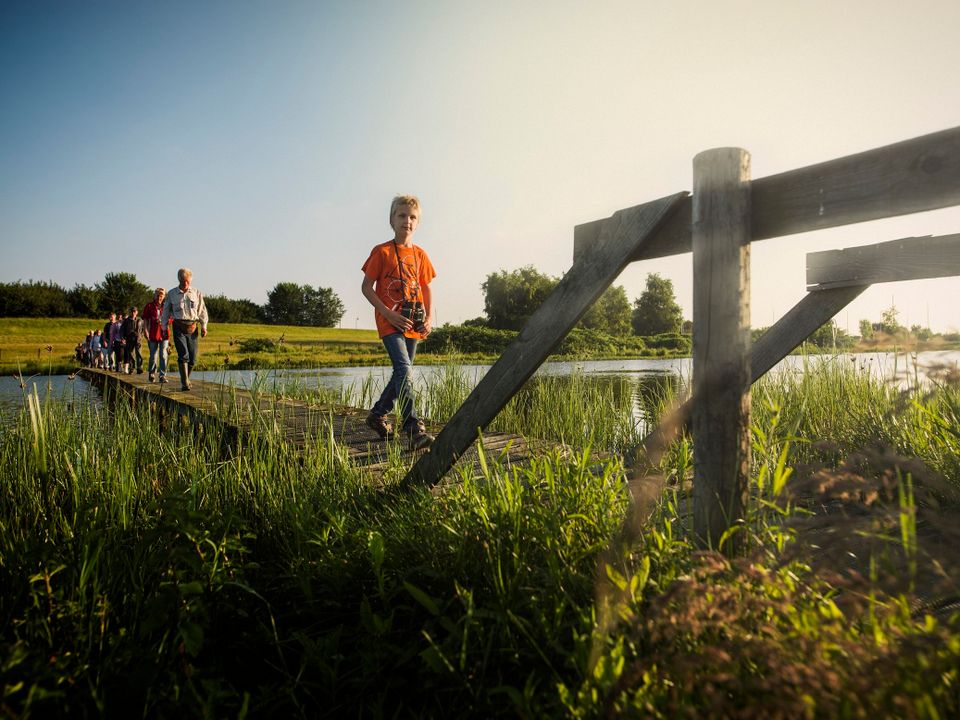
Walking: There is a 5-kilometre walking trail, marked with blue and yellow arrows.
To give ground-breeding birds sufficient rest when breeding, from 15 March to 15 July, only the blue marked section (2.5 km) of the walking route is accessible. Due to the large herbivores, dogs are not allowed. Departure: Vlietdijk in Dinteloord.
Walking excursions: Natuurmonumenten organises walking excursions on the Dintelse Gorzen throughout the year. More information about excursions via VVV Brabantse Wal or at www.natuurmonumenten.nl.
Bird watching cabin: the unspoilt nature of the Dintelse Dintelse Gorzen attracts hundreds of species of birds such as the spoonbill, blue harrier and skylark.